Sargassum Weed is Back

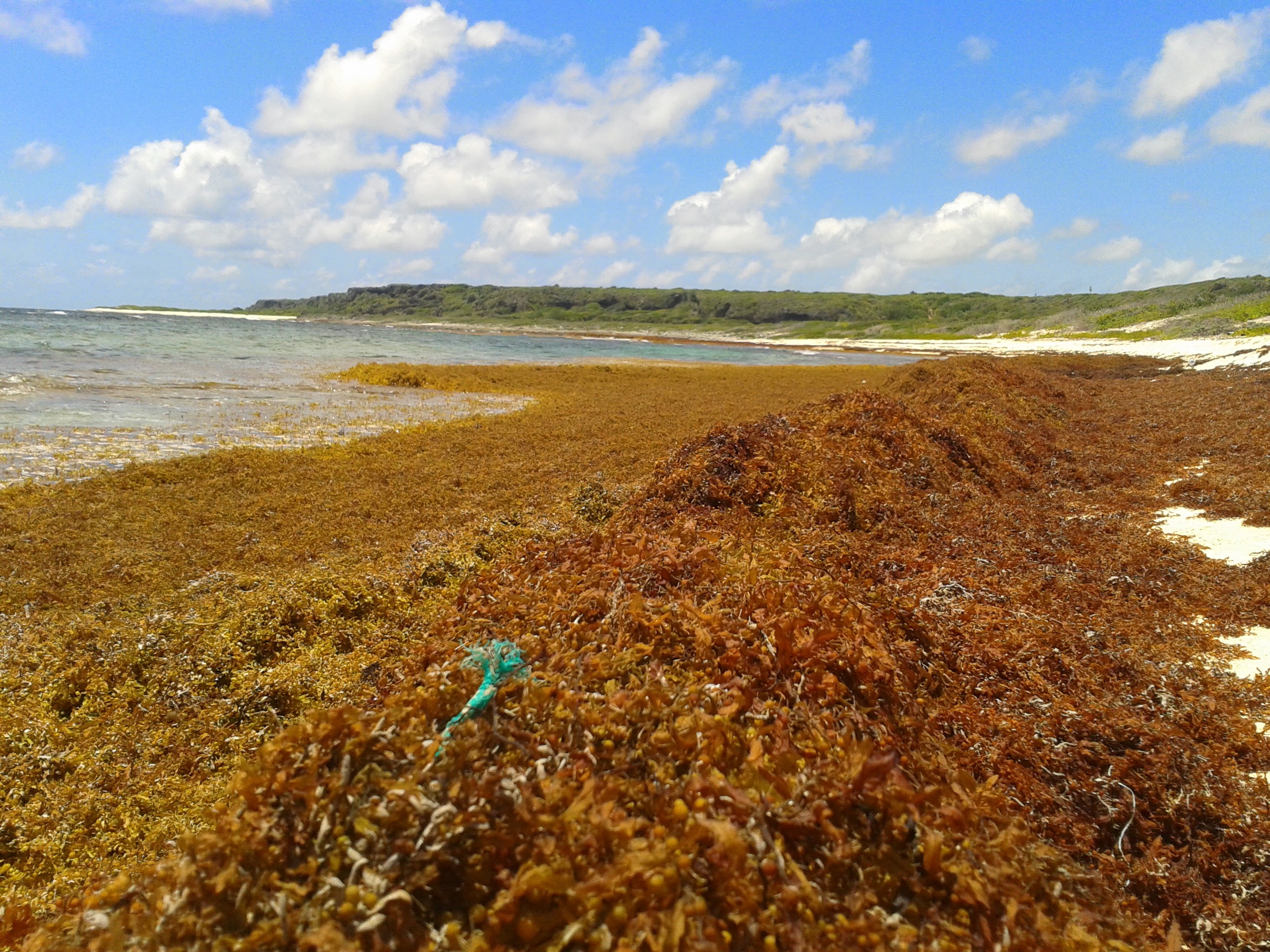
Sargassum Seaweed, Seaview, BarbudaThe unusual deposits on the shores of the Caribbean islands which occurred last year was hoped to be a one-off phenomenon. Unfortunately that seems not to be the case. As the photos show, the seaweed is back. On a visit to Seaview on the northeast shore unusual amounts of the seaweed was observed to be washing up on the shoreline.  This was the situation in 2014.  For 2015 the seaweed landfall  was even heavier and was continuous throughout all months for the year.

Seaview is a popular camping and bathing spot and the presence of the seaweed will impact this activity somewhat.
Logwoods Bloom Late

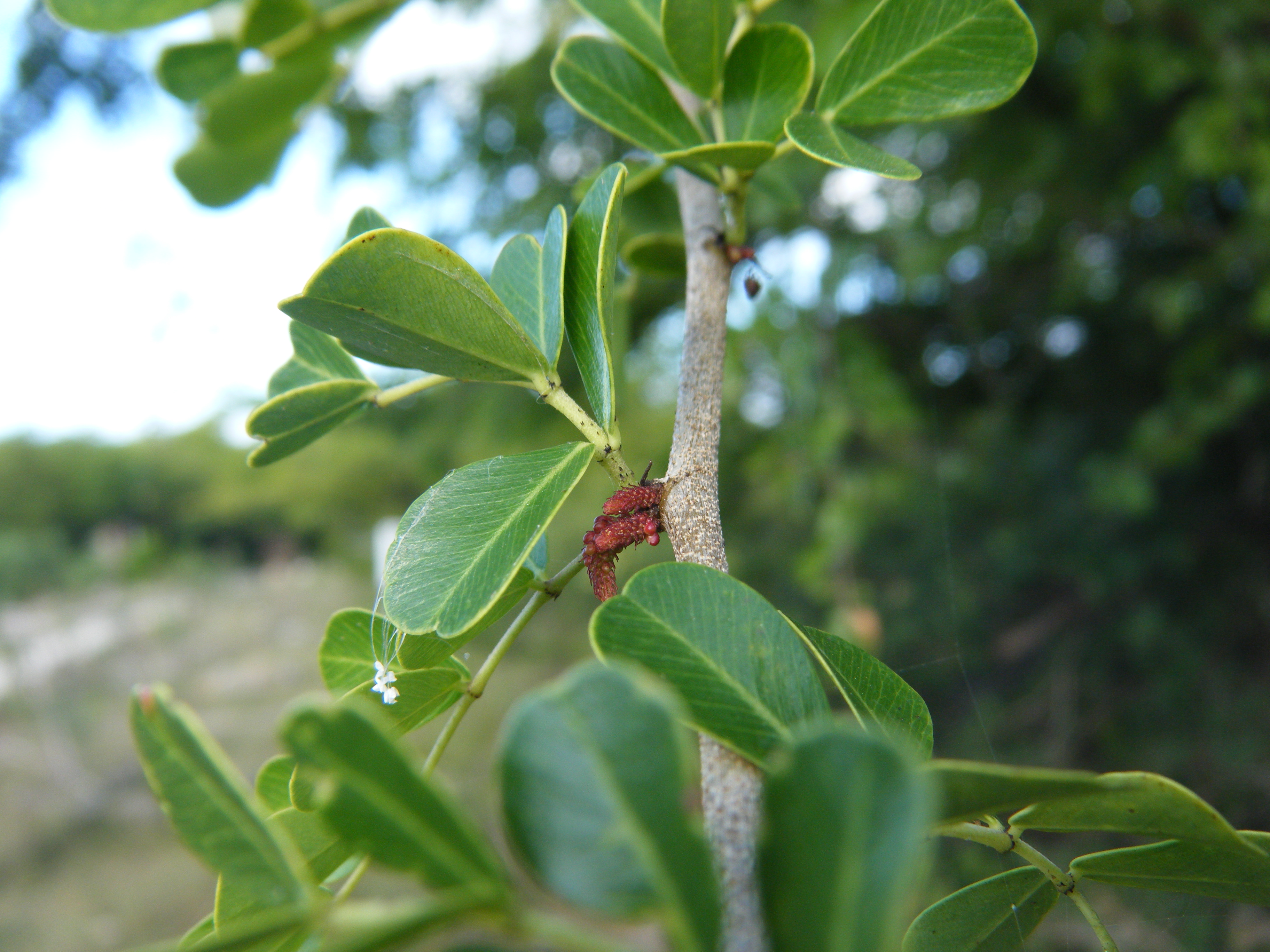
Logwood Flower Buds

Logwood Flower Buds Hint of a February Nectar Flow

January (2014) so far has been fairly good with respect to rainfall.  Over 2 inches have been recorded here at Spring View.  The Logwood trees bloomed heavily in January and new flower buds are beginning to show on some trees.  If the rains continue, the main bloom will probably arrive in February.  Hopefully, the bees will be ready, having been roused from their dearth by January’s nectar flow.

The relatively wet conditions have resulted in a few trees blooming including Acacia, Joewood and some wild flowers.  There is not much nectar producers however.  As a consequence, everywhere looks green but not much food for bees and other  pollenators.  These are the conditions one would expect to see in October or November.  Those months were unusually dry in 2012 so now that the rains have come the conditions reflect the availability of water for the trees and shrubs and this translates into nectar for bees to make honey.

Barbuda Ferns

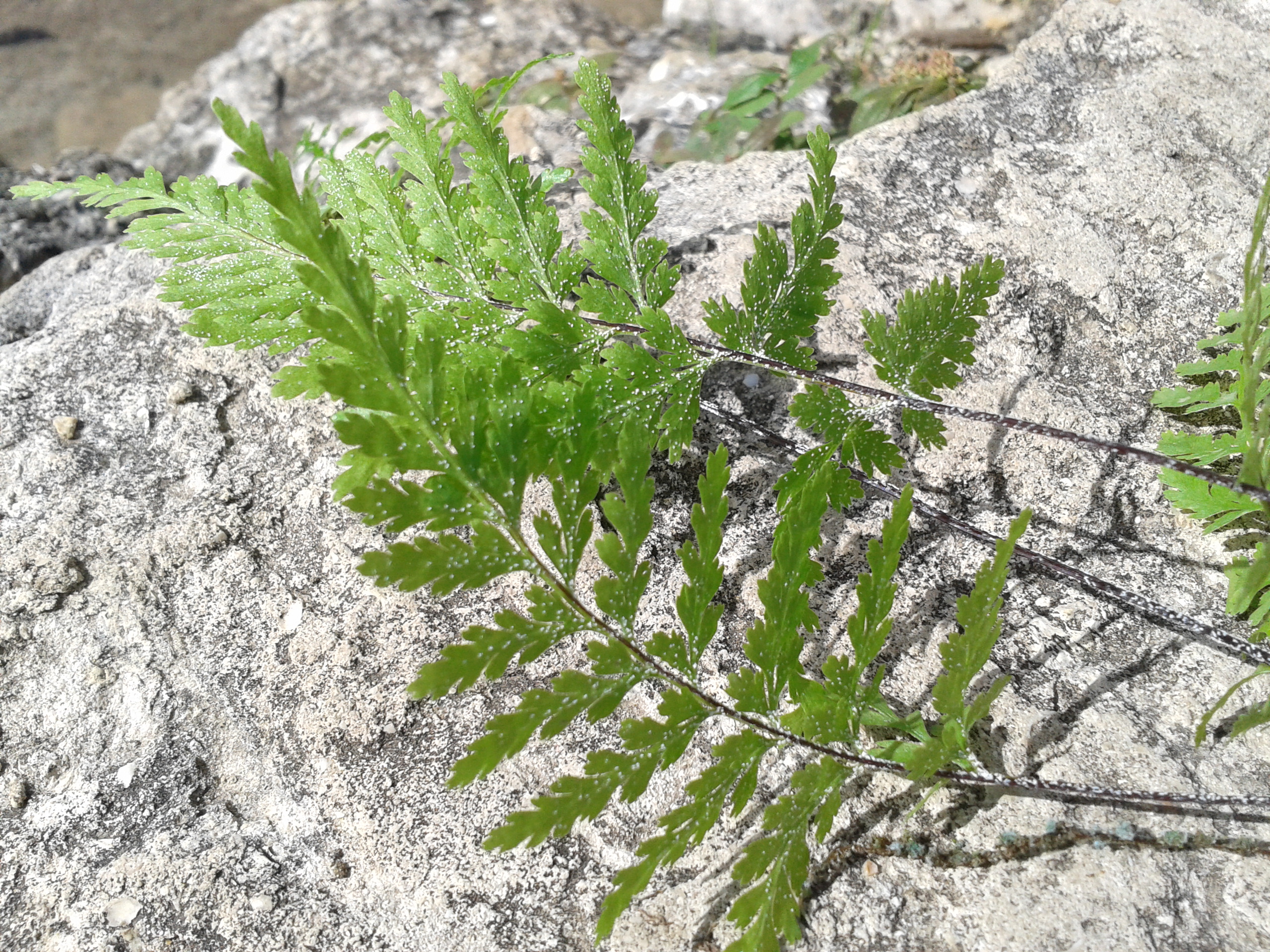
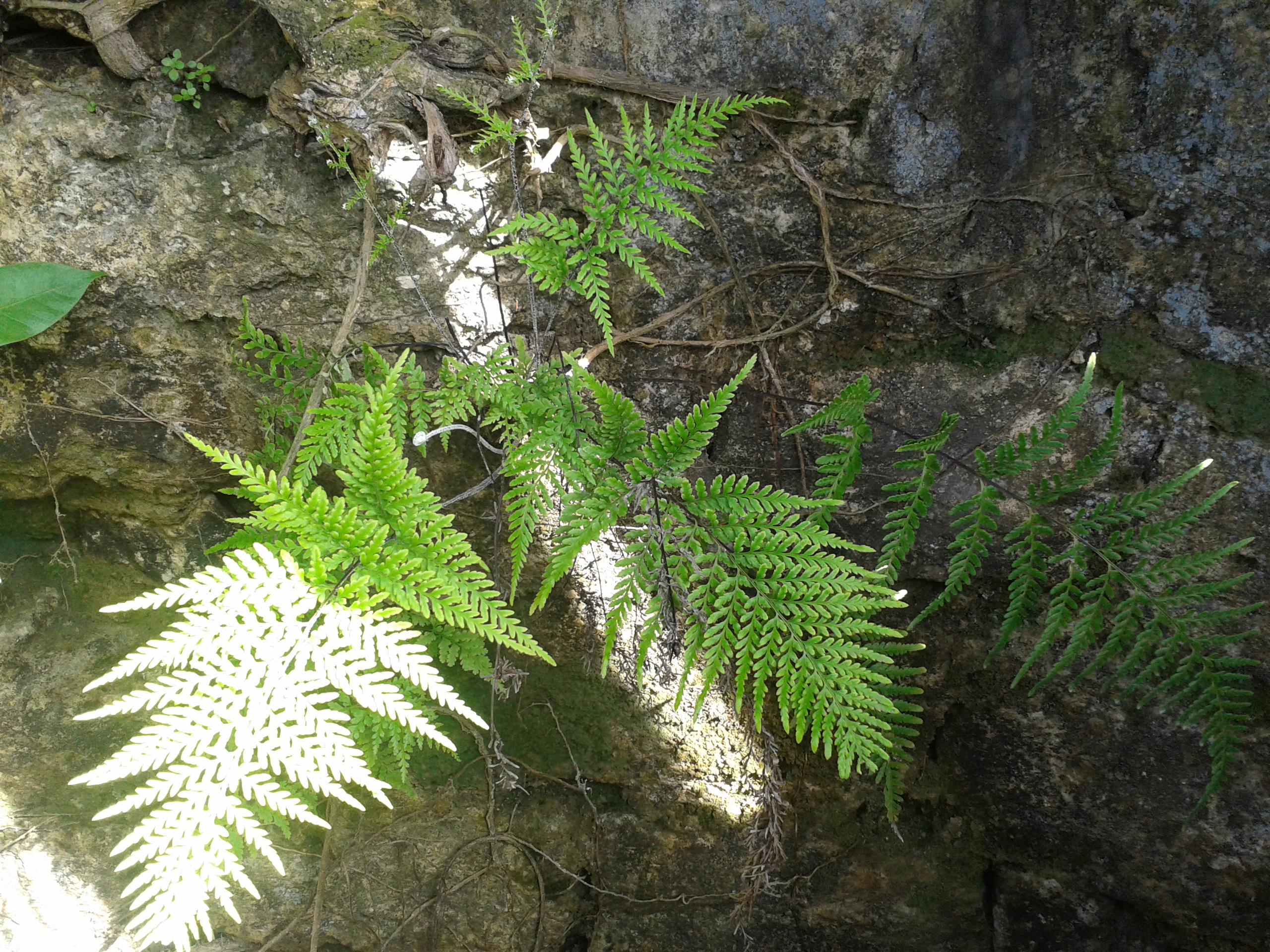
Ferns  are plants which typically thrive in moist or wet conditions.  Barbuda is anything but moist or wet, right?  So it would be unusual to find ferns here.  Wrong!  Barbuda is not as dry as most people think.  Rainfall average over the past decade has been about 45 inches.

Barbuda Fern
Barbuda Fern

The other factor is that it is the moist or wet habitat that ferns require and such places can be found in Barbuda.  Caves, sinkholes, ponds and wells provide such habitats.  Thus the overall climate of Barbuda may be classified as hot and dry but there are places which provide the micro-climate which can sustain the growth of ferns.

Barbuda Fern - underside leaf
Barbuda Fern – underside leaf

Pictured here is one species.  There are others which can be found growing in walls, roof gutters and fresh water pools.

January – the month of wind and cold.

To older Barbudan fishermen, January is a month that is not very friendly to people who work on the sea.  It is windy and the seas can transform from calm flatness to viscious ‘white cap’ waves in an instant.  The water is also cold and the ‘ground swells’ (storm waves) stir up the water reducing visibility to zero.  These conditions are driven by winter storms originating in the north Atlantic.  The waves generated there eventually reach our shores.

Inspite of the challenges created by these conditions, it is believed that this period marks a time when the sea ‘cleans itself’.  The bottom is churned up, debris is washed up onto the shorelines and dead algae is washed off the reefs.  There is some truth to this.  The churning do release stored nutrients and productivity does go up as evidenced  by the prolific growth of some algae, for example the ‘seamoss’ for which Barbuda used to be famous.